First Time Home Buyer Programs in British Columbia
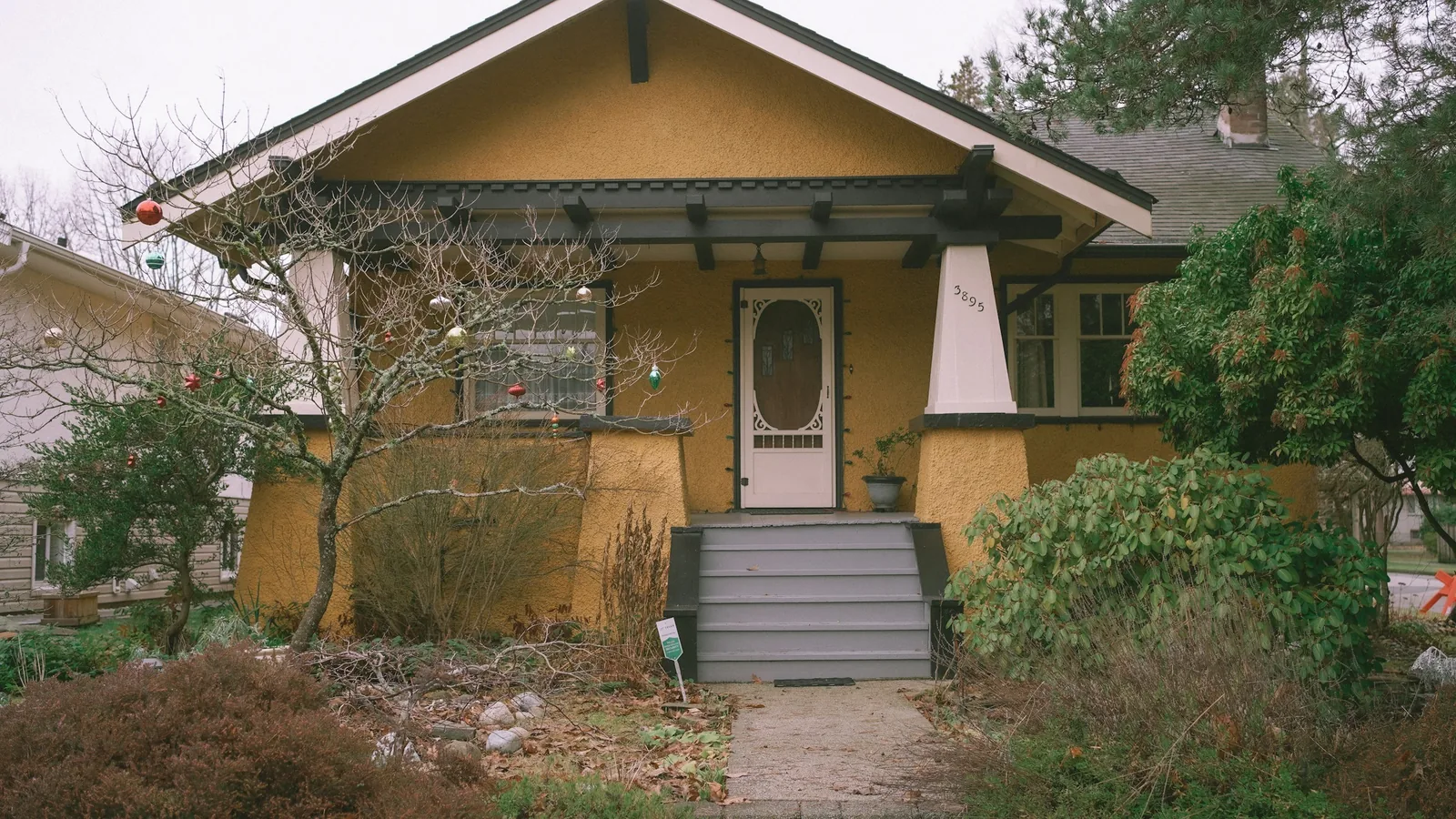
Photo by Chelaxy Designs on Unsplash
Buying a first home in BC is expensive enough that the government programs actually matter. Stacked properly, they can cover most of your closing costs and let you save a down payment faster, tax free. Here is every program a first-time buyer in White Rock, South Surrey or anywhere in the province should know, with the thresholds as they stood when I wrote this. They are adjusted from time to time, so have your lawyer or notary confirm the current numbers before completion.
Property transfer tax exemption
Property transfer tax in BC is 1 percent on the first $200,000 of the price, 2 percent on the portion up to $2 million, and higher above that. On an $800,000 home that is $14,000, and it is due in cash on completion. The First Time Home Buyers' Program removes the tax on the first $500,000 of the price for homes valued up to $835,000, a saving of up to $8,000. You still pay 2 percent on the portion between $500,000 and the price. Between $835,000 and $860,000 the saving phases out, and above $860,000 there is no relief under this program.
To qualify you must be a Canadian citizen or permanent resident, have lived in BC for twelve consecutive months before the purchase or filed two BC tax returns in the last six years, have never owned a principal residence anywhere in the world, and move in within 92 days and live there for at least a year. If one of two buyers has owned before, only the first-time buyer's share is exempt. Run your scenario on my transfer tax calculator.
Newly built home exemption
Separate from the first-time program, buyers of a brand-new home, presale or newly built house, can claim the Newly Built Home Exemption on homes up to $1.1 million, with a partial exemption up to $1.15 million. You do not have to be a first-time buyer, but you do have to live in it. For a first-time buyer looking at a new townhome in Grandview Heights, this is often the exemption that applies, because new product in South Surrey tends to sit above the $835,000 line.
Saving the down payment: FHSA and the Home Buyers' Plan
The First Home Savings Account lets you contribute up to $8,000 a year to a lifetime maximum of $40,000. Contributions are deductible like an RRSP, and withdrawals for a qualifying first home are tax free like a TFSA. If you are two or more years from buying, open one now even if you can only put in a little. The annual room starts accumulating the year you open it.
The RRSP Home Buyers' Plan lets each buyer withdraw up to $60,000 from an RRSP tax free for a first home, repaid over fifteen years starting a few years after the withdrawal. A couple can combine both programs for up to $200,000 in tax-sheltered down payment money, which in this market is the difference between a condo and a townhome.
The mortgage rules that favour first-time buyers
Two federal changes help. First-time buyers can take a 30-year amortization on an insured mortgage instead of 25, which lowers the monthly payment and increases what you qualify for. And the insured mortgage price cap is $1.5 million, so you can buy with less than 20 percent down up to that price: 5 percent on the first $500,000 and 10 percent on the rest. There is also a federal GST rebate for first-time buyers of new homes that was introduced recently. Check with your lawyer whether it applies to your purchase, because the eligibility rules are specific.
After you own: the Home Owner Grant
Every year, owners who live in their home can claim the provincial Home Owner Grant against their property tax bill: $570 in Metro Vancouver, the Fraser Valley and the Capital Regional District, $770 elsewhere, with extra for seniors, veterans and people with disabilities. It applies to homes assessed below a threshold that the province sets each year, around $2.2 million recently. You claim it online through the province each year, not through your city.
How I see clients stack these
A typical first-time couple I work with in South Surrey: FHSA contributions for two or three years, an HBP withdrawal from the RRSPs they built in their twenties, a 30-year insured mortgage, and either the first-time or the newly built transfer tax exemption depending on what they buy. Together those four moves routinely save them more than $25,000 in tax and cash at closing and lower the payment they live with for years. None of it requires luck. It requires starting the FHSA early and knowing the thresholds before you fall for a house that sits $10,000 above one.
The short version
- Transfer tax exemption: no tax on the first $500,000 for homes up to $835,000 (up to $8,000 saved), phased out by $860,000, first-time buyers only.
- Newly built home exemption: up to $1.1 million, anyone who will live there.
- FHSA: $8,000 a year, $40,000 lifetime, deductible in and tax free out.
- Home Buyers' Plan: up to $60,000 per person from your RRSP.
- 30-year amortization and a $1.5 million insured cap.
- Home Owner Grant every year after you move in.
If you are a first-time buyer trying to get onto the Peninsula, I will go through these with you against the actual homes in your budget. Knowing which exemption you qualify for changes which listings make sense.
Free Tools for Your Home Search
The question readers ask most
Does a realtor actually get you a better price when buying?
In a buyer's market, a local agent earns their fee on three things: knowing which listings are overpriced relative to recent peninsula sales, structuring subjects and dates the seller will accept, and knowing when to walk away. That is only possible for someone who works the neighbourhood every week. I hold 66 five-star Google reviews and am licensed for both residential and commercial real estate. How to find a realtor who can negotiate for you.
Have a question about this?
Send me a note or call. I will give you a straight answer, whether or not you are ready to buy or sell.
Book a Free Consultation