BC Home Inspection Checklist: What Actually Matters Before You Buy
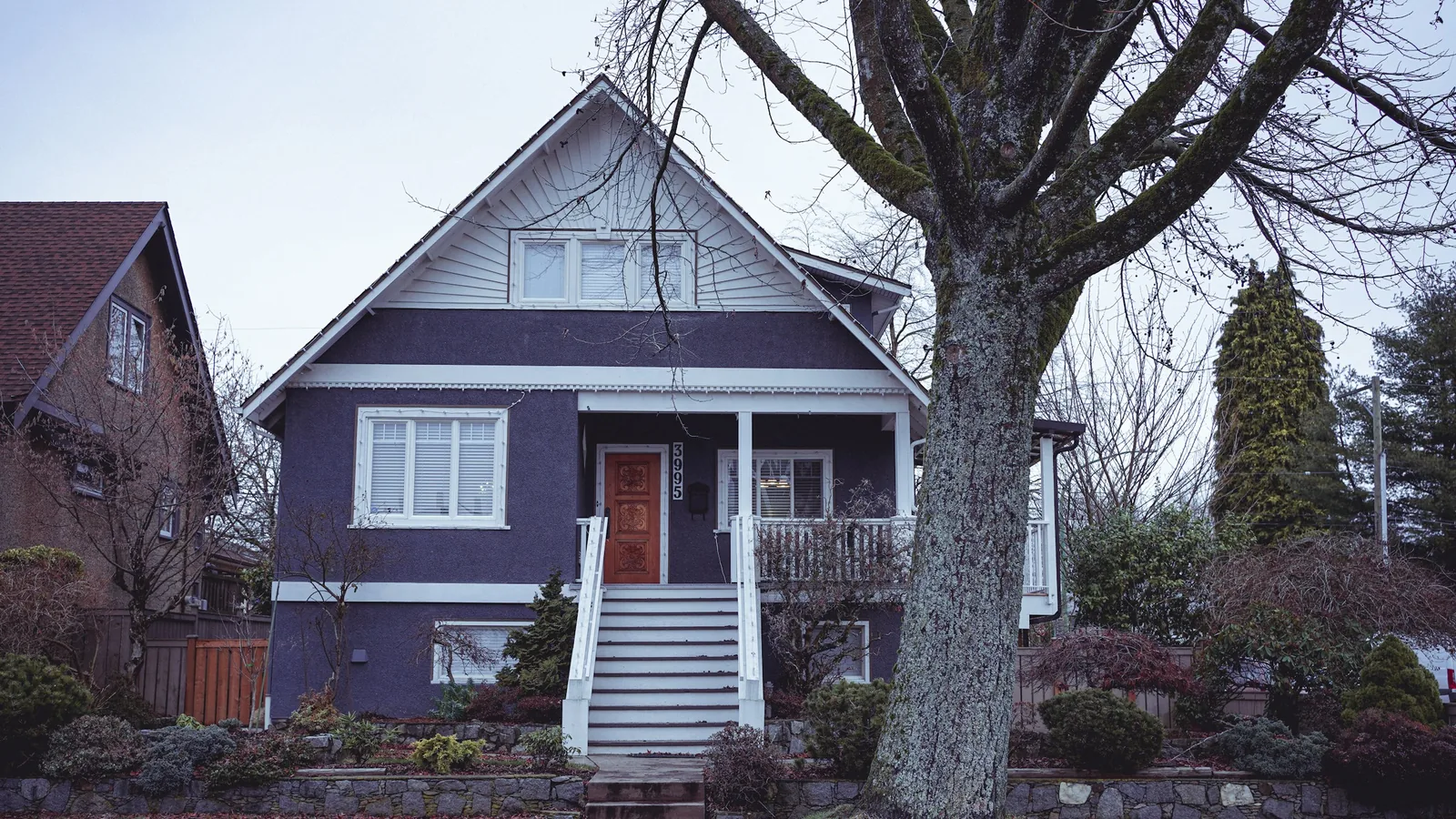
Photo by Chelaxy Designs on Unsplash
The standard home inspection checklist will catch the leaky faucet. It won't catch the underground oil tank that'll cost you $32,000 to remediate when you try to sell in five years. In BC, the costliest home-buying mistakes aren't the ones you see during your first walkthrough—they're the jurisdiction-specific hazards that generic inspection protocols consistently miss. If your inspector isn't explicitly checking for these ten BC-specific risks, you're buying blind in a market where ignorance costs five figures.
The Hidden Liability Risks That Kill Deals
Underground oil tanks are the number-one inspection blind spot I see across White Rock, South Surrey, and older pockets of Surrey and Langley. Any home built before 1970 is a candidate. The problem? Removal and soil remediation averages $25,000-$40,000, and the current owner often has no idea it exists. These tanks weren't consistently documented at land title registration. Your inspector needs to look for telltale copper fill lines, vent pipes near the foundation, and—ideally—recommend ground-penetrating radar if the home was built pre-1970. I've seen buyers walk away from otherwise solid properties in Crescent Beach and Cloverdale because the oil tank discovery happened after they removed subjects.
Knob-and-tube wiring is the second deal-killer. Common in homes built before 1950 throughout New Westminster, Burnaby Heights, and older White Rock neighbourhoods, many insurers will not bind coverage until it's replaced. That's not a negotiation point—it's a financing roadblock. If your lender requires insurance (they do), and your insurer refuses coverage, your purchase collapses. Remediation costs $8,000-$15,000 depending on home size. This is a subject-removal line item, not a post-closing surprise.
Condo Buyers: The Leaky-Condo Era Isn't Over
If you're buying a condo built between 1985 and 2000 in Burnaby, Coquitlam, or Surrey Central, you're purchasing in the leaky-condo era. These buildings had systemic building-envelope failures—missing rain screens, improper flashing, water intrusion that leads to structural rot. The key document isn't the home inspection report; it's the strata depreciation report, mandatory in BC since 2014 for buildings with 5+ units. Read it before you remove subjects. Look for completed rainscreen remediation, upcoming special assessments, and reserve fund health. A building with $2 million in deferred maintenance and a $200K contingency reserve is a special assessment waiting to happen.
Post-tension cables in concrete—common in high-rises built 1985-2005—are another condo-specific risk. When these cables corrode, repair costs run into special-assessment territory: $10,000-$30,000 per unit. Your inspector should be looking at the engineering reports in the strata documentation, not just the unit itself.
Acreage Buyers: Septic and Well Systems Need Separate Inspections
Standard home inspectors don't assess septic systems or well water quality—but if you're buying acreage in Langley, Maple Ridge, or South Surrey, these are critical. Septic system failure costs $15,000-$25,000 to replace. Wells need water-quality testing for bacteria, nitrates, and metals. If the property is in the Agricultural Land Reserve (ALR), you also need to understand use restrictions before you close. This isn't within a general inspector's scope; you need separate specialists.
Why These Risks Matter for Sellers Too
Sellers: if your home has any of these issues and you don't disclose them, you're exposed to litigation post-closing. In BC, the Property Law Act requires disclosure of latent defects. If you know there's aluminum branch wiring (common 1965-1975, fire risk, insurance problem) or polybutylene plumbing (1978-1995, joint failures), and you don't disclose it, the buyer has recourse. Proactive disclosure—and pre-listing inspections—protect you legally and can actually increase buyer confidence when you show documentation of remediation or upgrades.
Bottom Line: BC-Specific Due Diligence Pays for Itself
The cost of a thorough, BC-focused inspection—including septic, well, oil tank scan, and detailed strata document review—runs $1,500-$3,000. The cost of missing one of these issues? $25,000-$40,000, plus deal collapse risk, insurance gaps, and resale complications. This is non-negotiable buyer strategy for anyone purchasing in the Lower Mainland or Fraser Valley. Your inspection contingency period is your only leverage window. Use it to hire specialists who understand BC's unique housing stock, not a generalist running a national checklist. The difference between a smart purchase and a financial nightmare is a $2,000 investment in proper due diligence.

Have Questions About This Topic?
Get personalized advice from Rose Marie about your real estate goals.
Book a Free Consultation