BC Housing: Inventory Surge Points to Flat 2026 Prices
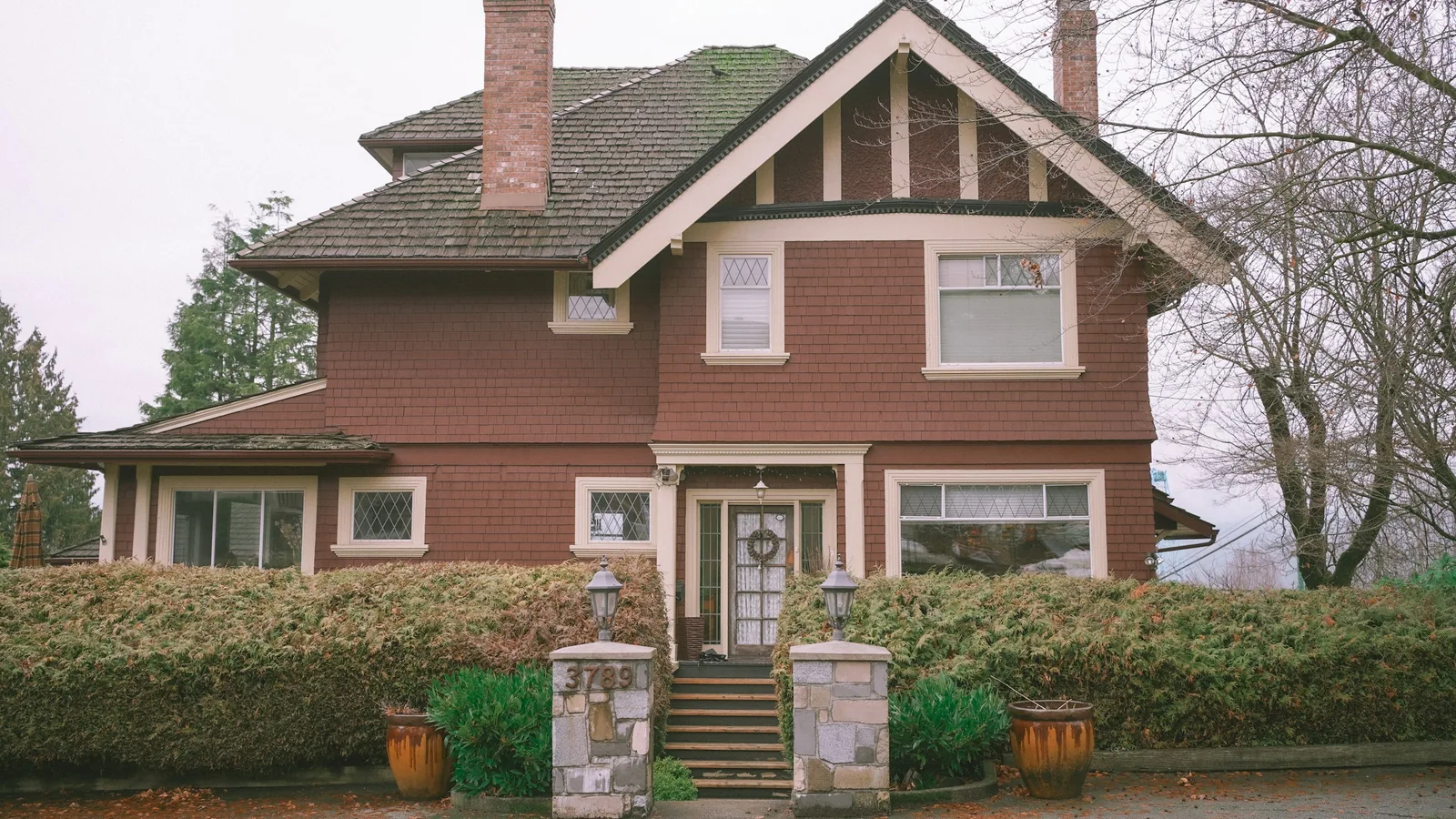
Photo by Chelaxy Designs on Unsplash
Provincial listings are expected to average above 40,000 units in 2026 — the first time in over a decade we've seen inventory at these levels. That's not a footnote; it's the single most important data point shaping this year's BC real estate forecast. And if you're waiting for a spring price rebound, the numbers say otherwise.
What the Forecasters Agree On
Four major housing outlooks landed in recent weeks, and while the tone varies, the conclusion is consistent: elevated inventory will cap price growth in 2026. BCREA projects BC MLS® sales will fall 2.1% to 68,700 units, with largely flat average prices across the province. RBC is more bearish, forecasting a 0.7% national price decline and calling out Ontario and BC specifically for steeper drops due to "high inventory and strong competition among sellers." CMHC expects moderate price growth, but notes that newly completed condos will inflate averages while resale recovery remains muted. CREA is the most optimistic, forecasting a 5.1% sales rebound nationally, but even they peg BC's price gains below the national average of 2.8%.
Translation: don't mistake stable rates for a seller's market. More listings plus modest sales growth equals negotiating power for buyers, particularly in high-supply segments.
Metro Vancouver's Inventory Reality
Metro Vancouver had roughly 25,000 active listings on average in 2025 — near the 2010 peak — and newly completed unsold condos are at their highest level in about 20 years. That condo oversupply is not evenly distributed: apartment-heavy submarkets face the most pricing pressure, while detached homes in tighter neighbourhoods (think South Surrey, parts of Langley, and Tsawwassen) are comparatively resilient.
This is a split market by product type, not geography alone. If you're looking at a pre-sale condo tower that just completed, expect longer absorption and softer comps. If you're selling a single-family home on a larger lot in a supply-constrained pocket, you'll still see multiple offers — but only if you price to market, not to 2021.
Absorption Rates: Spring vs. Fall Setup
Spring 2026 entered with pent-up demand and stable borrowing costs, which should lift sales modestly. But if inventory doesn't clear during the spring and summer selling season, we're looking at a buyer-favored fall. The national forecast pegs Canada at 4.6 months of supply — technically balanced — but Metro Vancouver and the Fraser Valley are running hotter on listings, especially in attached and apartment categories.
For investors, the clearest soft spot is newly completed apartment supply. BCREA's data shows this segment at multi-decade highs, which means resale comps will soften and cash-flow assumptions need to be stress-tested. If you're buying a condo as a rental, run your price-to-rent math assuming slower rent growth and higher vacancy risk in 2026 than in prior years.
What This Means for White Rock, Surrey, Langley
Without neighbourhood-specific benchmarks in hand, the most defensible read is this: lower-density, family-oriented areas with limited supply will outperform. White Rock detached and South Surrey estates should hold value better than Surrey Central apartments or Langley condo complexes near new completions. That doesn't mean detached is immune — overpriced listings will sit — but the downside risk is concentrated in high-rise inventory.
For Langley and Surrey, the wildcard is whether broad inventory growth caps benchmark gains even as sales improve. If you're a seller in these markets, price aggressively in the first two weeks. If you're a buyer, don't chase the spring frenzy; wait for days-on-market to climb and negotiate hard on price, inclusions, and conditions.
Bottom Line: Flat Is the New Forecast
The BC housing market in 2026 is a high-inventory, modest-sales, flat-price environment. Buyers have more leverage than they've had in years, especially in condos. Sellers need to be realistic: your neighbour's 2021 sale price is irrelevant. Investors should avoid newly completed apartments unless the cash-flow math works at today's rents and tomorrow's vacancy rates.
My take: If you're waiting for a price surge, you'll be waiting past fall. If you're ready to transact with eyes wide open, 2026 is your year to negotiate.

Have Questions About This Topic?
Get personalized advice from Rose Marie about your real estate goals.
Book a Free Consultation