House Hacking BC: Live Free While Building Wealth
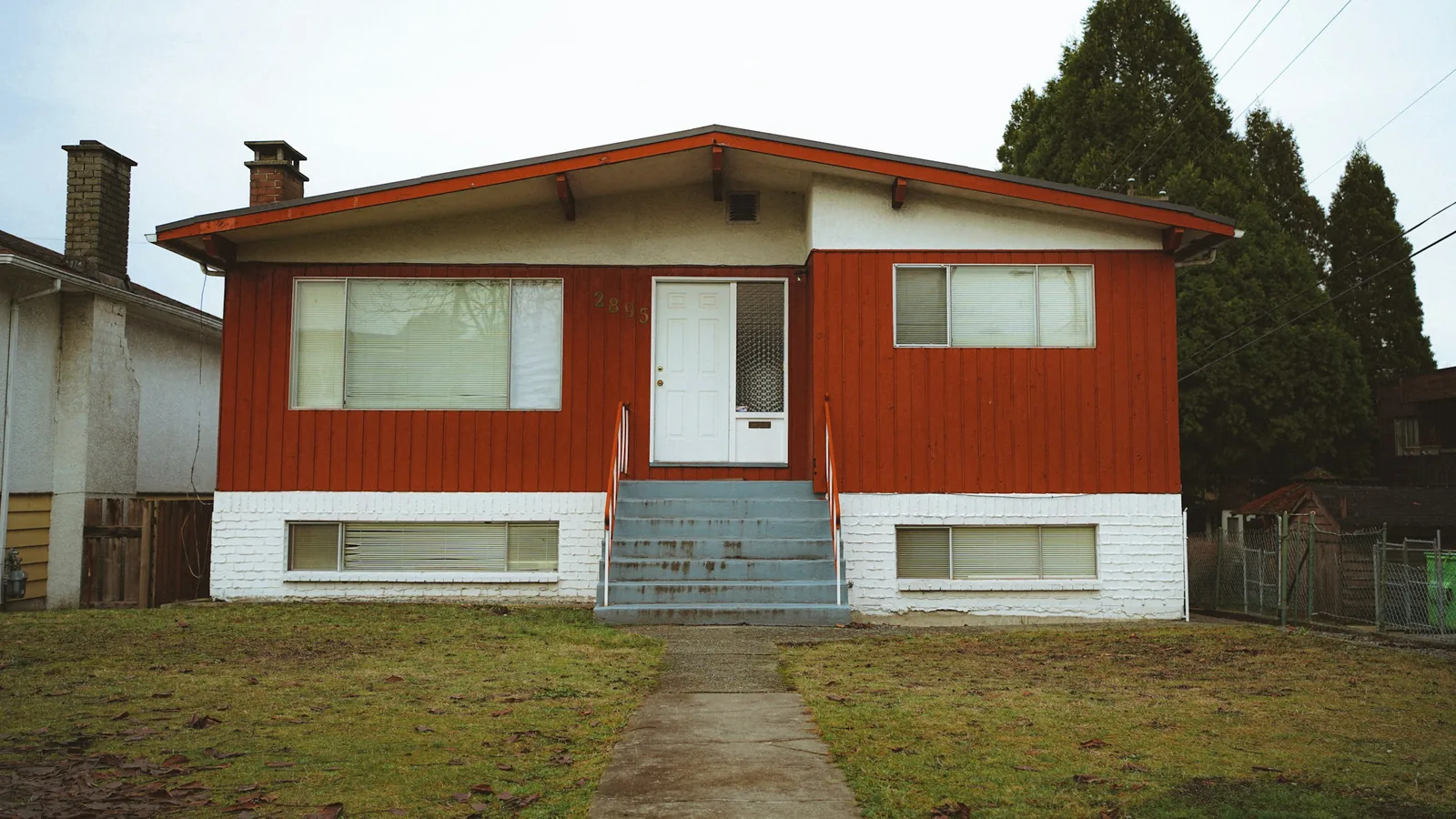
Photo by Chelaxy Designs on Unsplash
I ran the numbers on a $950,000 property in Surrey with a legal basement suite last week, and here's what shocked me: the buyer's actual out-of-pocket housing cost after rental income? $487 per month. That's less than a storage locker in Vancouver. This isn't theoretical—it's happening right now across the Fraser Valley, and it's the fastest wealth-building strategy I'm seeing for buyers under 40.
The Math That Matters
Let's break down real numbers on a typical investment property BC scenario. A $950,000 home in Cloverdale or Willoughby with 10% down ($95,000) at today's 4.89% rate creates a monthly payment of roughly $4,850 including taxes and strata. Rent out a 2-bedroom legal suite at $2,100/month, and your net cost drops to $2,750. Add a roommate upstairs at $800, and you're at $1,950—less than renting a 1-bedroom condo downtown.
But here's where house hacking becomes wealth building: you're paying down $1,840/month in principal while a tenant covers 43% of your costs. That's $22,080 in annual equity gain before appreciation. In five years, you've built $110,400 in forced savings while living essentially rent-free. Show me another investment vehicle that gives you leverage, tax benefits, and solves your housing problem simultaneously.
Where the Opportunities Are
Not all markets are equal for rental property BC returns. Surrey leads for cash flow—properties in Panorama Ridge and Clayton often include newer legal suites with separate entries, and rental demand from families keeps vacancy near zero. I'm seeing basement suites here rent for $1,800-$2,200 depending on finishes.
Langley offers better appreciation potential. Willoughby and Yorkson properties have climbed 34% since 2023, and the coming SkyTrain extension to Langley City is already baking future value into today's prices. Suites here pull $1,700-$2,000, slightly lower than Surrey but with stronger long-term capital gains.
New Westminster is the dark horse. Older homes near Sapperton allow suite conversions at $40,000-$60,000, and you're renting to Douglas College students and healthcare workers at $1,600-$1,900 for a legal 1-bedroom suite. The entry price ($850,000-$900,000) makes the numbers work even better than Surrey.
The Tax Advantage Nobody Talks About
Here's where house hacking beats REITs and other passive real estate investment vehicles: you can claim a portion of your mortgage interest, property tax, insurance, utilities, and maintenance as rental expenses. On a property where 35% of the square footage is rented, you're deducting 35% of these costs against rental income. That $2,100/month in rent? After expenses, your taxable rental income might be $800/month or less.
Meanwhile, you're living in the property as your primary residence, so when you sell, a portion remains principal residence exemption eligible. It's the only investment strategy where you get leverage, tax deductions, and potential capital gains exemption. REITs can't compete with that trifecta.
What This Means for You
If you're sitting on $100,000 in savings and debating whether to invest in real estate or keep renting, the answer is clear: house hacking is your fastest path to wealth. You're solving housing, building equity, generating cash flow, and creating tax advantages simultaneously.
Action items: First, get pre-approved and understand your maximum purchase price. Second, focus your search on properties with existing legal suites or easy conversion potential—look for walkout basements and newer builds in Surrey, Langley, and New Westminster. Third, run the rental income numbers conservatively. If the property doesn't reduce your housing cost by at least 40%, keep looking.
The market won't hand you opportunities—you have to engineer them. House hacking is how you do it.

Have Questions About This Topic?
Get personalized advice from Rose Marie about your real estate goals.
Book a Free Consultation