How BC's 4-Unit Zoning Law Unlocks Rental Wealth
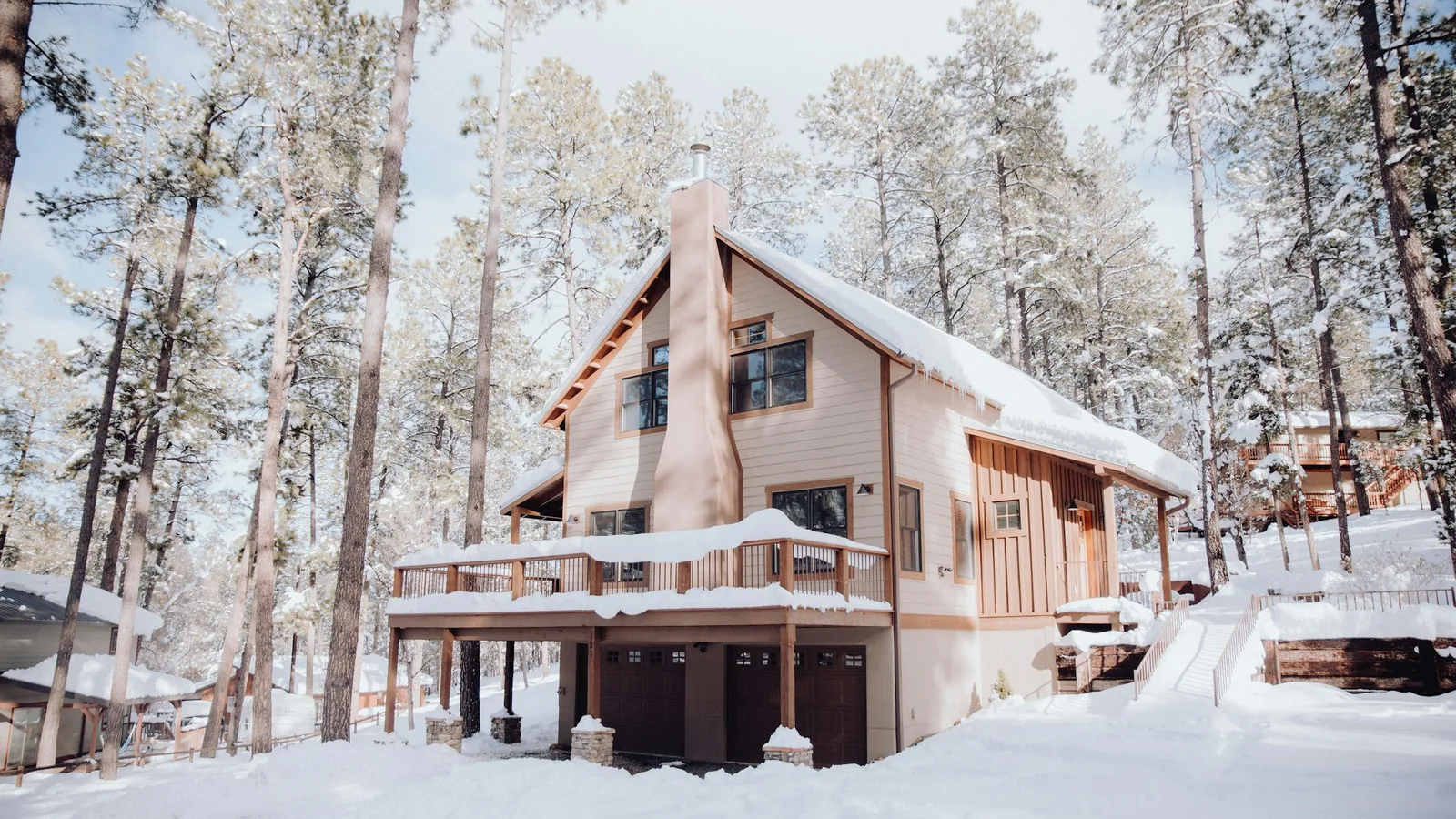
Photo by Bailey Alexander on Unsplash
BC's new zoning reforms allowing up to four units on single-family lots aren't just changing neighbourhoods—they're creating the most significant wealth-building opportunity for real estate investors in a generation. If you've been sitting on equity in a single-family home in Surrey, Langley, or New Westminster, you're now sitting on a potential income property that could generate $3,000-$5,000 monthly in additional cash flow. Here's the math that makes this work.
The Four-Unit Economics: Real Numbers
Let's run a scenario using a typical Surrey property. You own a $1.2M single-family home in Cloverdale with $600K in equity. Under the new zoning, you can now build a four-plex on that lot. Construction costs run approximately $220-$260 per square foot for multi-family builds in the Fraser Valley. A modest 3,200 sq ft four-plex (four 800 sq ft units) costs roughly $800K to build.
Using your equity to secure financing, you're now the owner of four rentable units. Current rental rates in Surrey for modern two-bedroom units average $2,100-$2,400. At a conservative $2,200 per unit, you're generating $8,800 monthly—$105,600 annually. Even after mortgage costs on the construction loan, property taxes, insurance, and maintenance reserves, net rental yield typically lands between 4.8-6.2% in these scenarios. Compare that to direct ownership versus REITs: Canadian residential REITs are currently yielding 3.8-4.5%, and you're not building equity in a tangible asset you control.
House Hacking 2.0: The Strategy Shift
Traditional house hacking meant buying a duplex and living in one side. BC's zoning changes have evolved this into what I call "equity conversion house hacking." You're taking dead equity in an aging single-family home and converting it into income-generating units while maintaining one unit for yourself.
In Langley and New Westminster, I'm seeing investors do exactly this: demolish or significantly renovate existing homes, build four units, occupy one, and rent three. The three rental units typically cover 70-85% of total carrying costs, meaning your personal housing expense drops dramatically while your property value increases. For building wealth in real estate, this strategy outperforms traditional buy-and-hold single-family investments by a significant margin.
The Tax Play: Principal Residence Meets Rental Income
Here's where it gets interesting from a tax perspective. If you occupy one of the four units as your principal residence, you maintain principal residence exemption on 25% of the property while generating rental income on the other 75%. You can deduct proportional expenses—mortgage interest, property taxes, insurance, maintenance—against that rental income.
Work with an accountant who understands real estate investment BC tax strategy, but the typical scenario sees investors reducing taxable rental income by 40-55% through legitimate deductions. The CCA (capital cost allowance) depreciation on the building can further reduce taxable income, though I generally advise caution here given the recapture rules on eventual sale.
Where to Execute This Strategy Now
Not all Lower Mainland markets are equal for this play. Surrey, Langley, and New Westminster offer the best combination of lot sizes, construction costs, and rental demand. Burnaby and Coquitlam have stronger rental rates but significantly higher land costs and more complex permitting processes that eat into returns.
I'm specifically watching South Surrey's Grandview Heights and Langley's Willoughby area. Lots are still available in the $900K-$1.1M range, large enough for four-unit builds, and rental demand from young families is exceptional. In New Westminster's Queensborough, older homes on larger lots are trading at prices that make the math work even better—though watch for flood plain restrictions.
Bottom Line: Your Move
If you own a single-family home in the Fraser Valley with substantial equity and you've been wondering how to build rental property BC wealth, this policy change is your moment. Three specific actions: First, get your property assessed by a builder who specializes in multi-family small-scale developments—costs and feasibility vary drastically by lot. Second, talk to a mortgage broker about construction financing options before you commit; rates and terms have improved but remain higher than standard mortgages. Third, run a real rental yield analysis with current market rents, not aspirational ones.
The investment property landscape in BC just shifted. The question isn't whether this creates wealth-building opportunities—it's whether you'll act on them before everyone else does.

Have Questions About This Topic?
Get personalized advice from Rose Marie about your real estate goals.
Book a Free Consultation