Langley Zoning Changes: 4-Unit Lot Potential
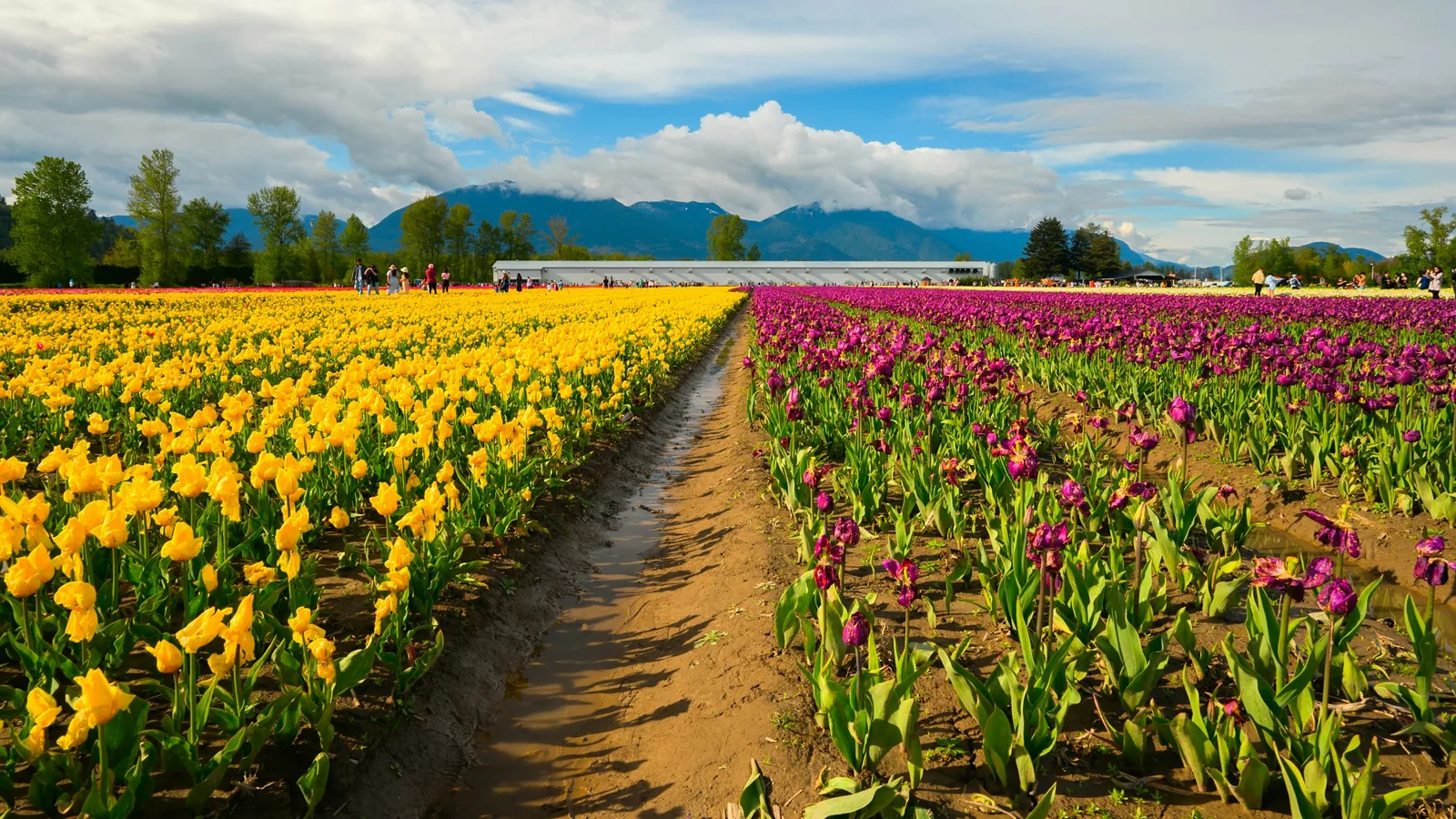
BC's new zoning reforms allowing up to four units on single-family lots aren't just policy—they're reshaping how Langley neighbourhoods will look in five years. While headlines focus on Vancouver's density challenges, some of Langley's most established communities are quietly positioning themselves as the unexpected winners of this legislative shift.
What's Actually Changing in Langley
The provincial mandate permits property owners across Langley to subdivide or develop up to four residential units on lots previously zoned for single detached homes. This includes duplexes, triplexes, fourplexes, or a house with secondary suites and laneway homes—no rezoning required in most cases. Transit-oriented development incentives are also accelerating projects near the 203rd Street corridor in Willoughby Heights, where SkyTrain expansion plans continue to draw developer attention.
For Langley real estate, this means older homes on larger lots suddenly carry hidden development value that wasn't priced in 18 months ago.
Where This Matters Most
Murrayville and Brookswood: These mature neighbourhoods feature larger 7,000+ sq ft lots that make subdivision or fourplex builds financially viable. Homes built in the 1970s-80s that previously sold based on location and lot size now have a development premium attached. Expect savvy investors to target teardown candidates here.
Willoughby Heights: Already Langley's hottest growth zone, the new rules compound existing momentum. Properties within 800 metres of future transit stations are seeing institutional buyer interest—not just for single-family living, but for small-scale multi-unit projects that pencil out under the new framework.
Fort Langley: Heritage designation complicates things here. While the four-unit policy technically applies, stricter design guidelines and community opposition mean execution is trickier. However, non-heritage properties on quieter streets could still see creative conversions.
Walnut Grove: Newer builds on smaller lots see less immediate impact, though larger estate properties near the golf course remain attractive to families and small developers alike.
What This Means for Your Next Move
If you're selling in Langley: Older homes on larger lots now appeal to two buyer pools—families seeking character homes and developers eyeing build potential. Get a development feasibility assessment before pricing. That 1982 rancher in Brookswood might be worth more than comparable renovated homes if the lot supports subdivision.
If you're buying Langley homes: Look beyond the house itself. A dated interior matters less if you're sitting on 8,000 sq ft with lane access in Murrayville. Conversely, don't overpay for renovated homes on small lots in Walnut Grove unless you're genuinely buying for lifestyle—the development upside isn't there.
For investors: Small-scale fourplex projects in Willoughby Heights near future transit can generate strong rental yields while benefiting from long-term appreciation. But construction costs and permit timelines remain variable—this isn't a flip strategy, it's a 3-5 year hold play.
Bottom Line for Langley Buyers and Sellers
These zoning changes don't create instant value—they create optionality. Properties with development potential are being repriced in real time, and most sellers haven't adjusted yet. Whether you're looking in Fort Langley's heritage blocks or Willoughby Heights' growth corridors, understanding what can be built matters as much as what currently exists. Based in White Rock, I work extensively across Langley and can connect you with planners and builders to assess any property's true potential under the new rules.
The buyers who understand this shift early will have a two-year advantage over those who don't.
Have Questions About This Topic?
Get personalized advice from Rose Marie about your real estate goals.
Book a Free Consultation