Lower Mainland Summer 2026: Parks, Trails & Lifestyle
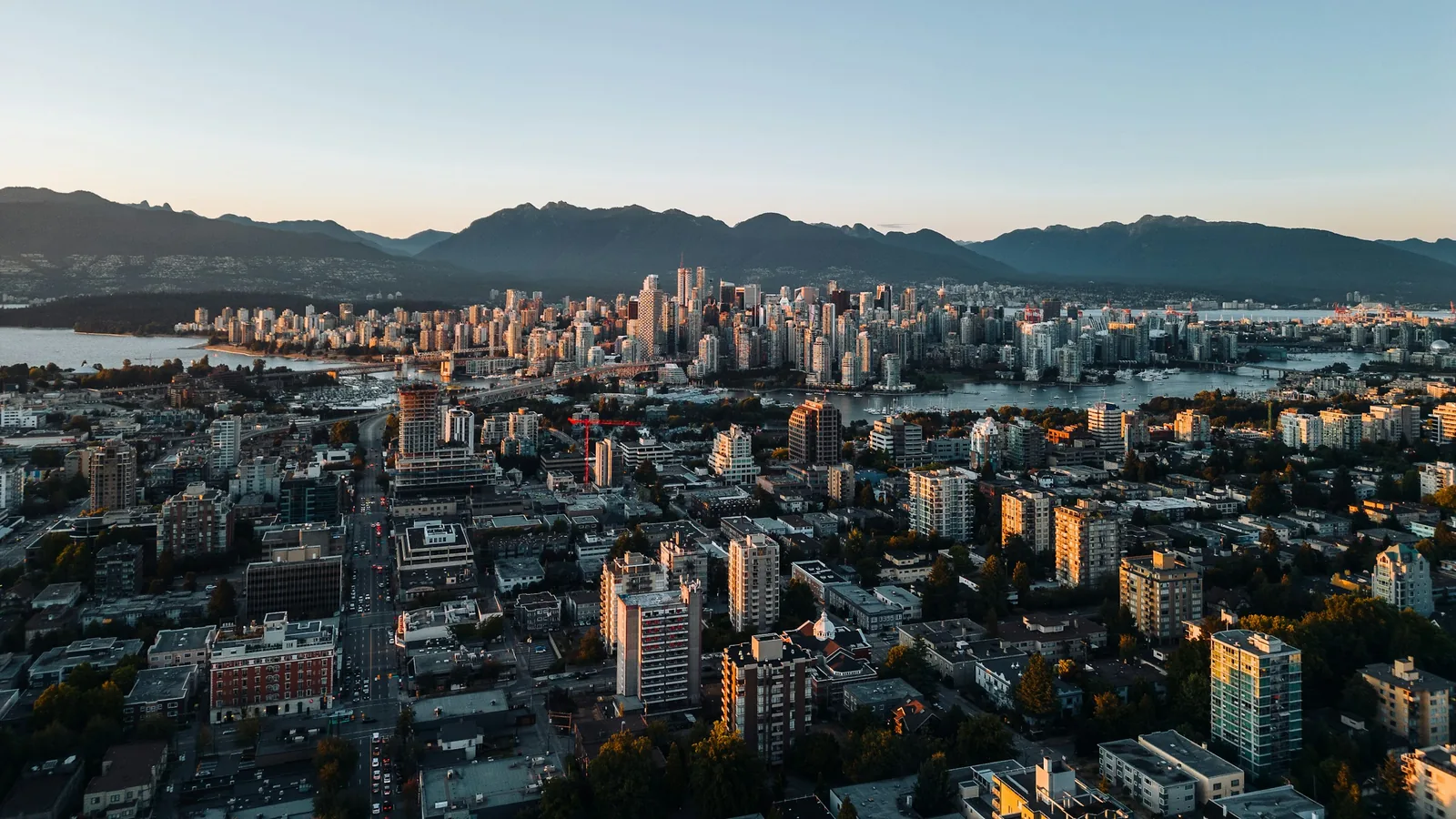
Photo by Aditya Chinchure on Unsplash
June's market data tells one story—modest price gains, stabilizing inventory, cautious optimism—but the real pulse of the Lower Mainland right now? It's beating strongest on the trails, in the farmer's markets, and across the restaurant patios from Gastown to Abbotsford's vineyard rows. While benchmark prices inch up $1,300 to $1,100,700 and sales volumes hit their 2026 high (albeit historically low), the lifestyle infrastructure that makes Metro Vancouver and the Fraser Valley so compelling is what's keeping buyer interest alive through economic uncertainty.
As someone who serves communities across the region—from White Rock to Langley, Surrey to Coquitlam—I'm watching how lifestyle amenities are increasingly driving purchasing decisions, especially among first-time buyers who now represent 35% of May's transactions. Let's break down what summer 2026 looks like on the ground.
Outdoor Living Gets Major Upgrades
The Lower Mainland's park and trail systems are seeing significant investment this season. Surrey's Greenwood Park trail network expansions and Coquitlam's Millennium Trail enhancements are drawing weekend crowds, while Vancouver's Stanley Park continues hosting summer festivals and food markets that showcase BC living at its finest.
What this means for real estate: Proximity to quality outdoor spaces is becoming a measurable value driver. Properties within a 10-minute walk of major trail systems in Burnaby, Coquitlam, and Surrey are holding their value more firmly than comparable homes further from green infrastructure. Buyers aren't just looking at square footage anymore—they're mapping cycling routes and counting park acres.
Transit and School Expansions in Growth Corridors
Langley's new Fraserwood transit hub is now operational, dramatically improving connectivity to Vancouver and Surrey. Combined with new elementary school openings in the growing Willoughby community, these infrastructure additions are making previously car-dependent neighbourhoods suddenly transit-viable for young families.
Delta's enhanced bus routes to local parks and community centers might seem minor, but they signal something important: municipalities are prioritizing lifestyle accessibility, not just density targets.
Farm-to-Table Living in the Fraser Valley
While Vancouver's Gastown and Yaletown restaurant scenes thrive with new farm-to-table openings featuring local BC produce, the Fraser Valley's agricultural tourism is having a banner summer. Hillside Winery in Abbotsford and Mission Valley farms are reporting steady tourist numbers for harvest tours and seasonal berry picks.
This isn't just tourism—it's a lifestyle differentiator. Buyers choosing Abbotsford, Mission, or Langley increasingly cite access to fresh, local food systems as a purchase motivator. The Fraser Valley lifestyle offers something Metro Vancouver's denser cores can't: direct connection to agricultural land and food production.
How Lifestyle Drives Market Resilience
Here's the data intersection that matters: while active inventory is up 2% month-over-month but down 7% year-over-year, and median prices have climbed for five consecutive months (now just 2.5% below all-time highs), the neighbourhoods with the strongest lifestyle infrastructure are absorbing inventory fastest.
- Surrey's Newton and Whitney: New townhome projects attracting first-time buyers with park proximity and transit access
- Langley's Willoughby and Fraserwood: Ground-oriented homes (townhomes, semi-detached) seeing steady sales driven by affordability plus new schools and transit
- Coquitlam's Sacred Heart area: Trail expansions and park developments boosting community appeal and property values
- Abbotsford's Mackenzie and Guildford: Single-detached homes remain in demand in more affordable regions with vineyard and farm access
What This Means for Your Next Move
If you're buying in summer 2026, don't just tour the property—tour the lifestyle radius. Walk the nearest trail system. Check transit schedules. Visit the Saturday farmers market. These amenities aren't luxuries anymore; they're value anchors in a market caught between weakness and resilience.
For sellers, highlight lifestyle proximity in your marketing. A home "near parks" is generic; a home "600 meters from the Millennium Trail with direct bike access to Coquitlam Centre" is specific and compelling.
The Lower Mainland's summer lifestyle infrastructure is proving what many of us have known for years: BC living isn't just about housing stock—it's about quality of life. And in a market where prices are stabilizing and buyer sentiment is cautiously improving, that quality is what closes deals.
Have Questions About This Topic?
Get personalized advice from Rose Marie about your real estate goals.
Book a Free Consultation