Metro Vancouver & Fraser Valley: Buyer Market Deepens
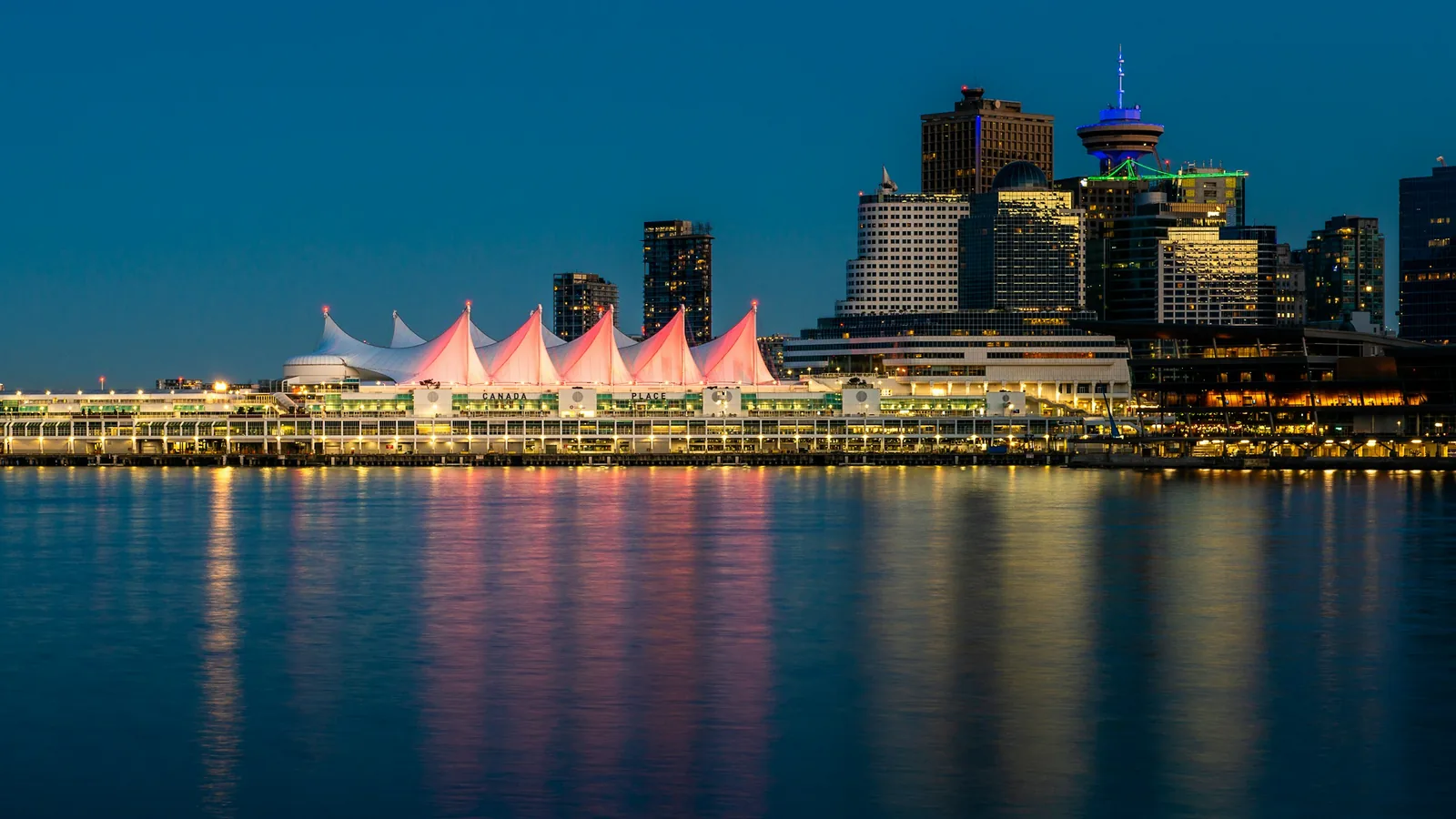
September 2026 is shaping up as one of the softest months for Metro Vancouver real estate in recent memory. Sales fell 4.6% year over year in August, benchmark prices are down 5.6% from a year ago to $1,081,900, and inventory continues to climb across the region. The Fraser Valley is even quieter: August sales dropped 14% from July, and the Fraser Valley Real Estate Board is openly describing conditions as a deepening buyer's market. For anyone watching the Lower Mainland, the message is clear—buyers have leverage, and sellers are adjusting expectations.
A Tale of Two Markets
While both Metro Vancouver and the Fraser Valley are firmly in buyer territory, the Fraser Valley's slowdown is more pronounced. The board recorded just 941 MLS sales in August, barely 1% above last year's figure. Buyers are taking longer to make decisions, and sellers are feeling the pressure to negotiate. In contrast, Metro Vancouver's decline is steadier but less dramatic, with 1,869 transactions in August. The difference matters: Fraser Valley buyers have more time and choice, while Metro Vancouver's inner markets—particularly Vancouver proper and Burnaby—are holding slightly firmer on the rental side, even as sales soften.
Interest Rates Still Weighing Heavy
The Bank of Canada held its policy rate at 2.25% on September 2, marking a seventh consecutive hold and keeping prime at 4.45%. Though the central bank resumed easing on September 17 with a 25 bps cut to 2.50%, borrowing costs remain elevated for variable-rate holders and first-time buyers stretching to qualify. Higher bond yields and sticky mortgage rates continue to cap demand, especially for move-up purchasers who need to sell before they buy. The result is a market where affordability is improving on paper—prices are drifting lower—but access remains constrained by financing conditions.
Neighbourhood Breakdown: Vancouver, Burnaby, and the Tri-Cities
In Vancouver, rental demand remains strong despite softer sales. Unfurnished one-bedroom rents averaged $2,328 in September, up from $2,289 in August. West Point Grey and UBC command the highest rents at $2,626, while Sunset-Victoria Fraserview offers the most affordable option at $1,745. For buyers, this rental strength signals underlying demand—if you can afford to hold, Vancouver's core neighbourhoods are still resilient.
Burnaby is one of the region's priciest rental markets, with one-bedrooms averaging $2,101. The condo market here faces a large overhang of unsold completed units, part of a Metro Vancouver-wide inventory estimated at $4.6 billion and roughly 4,200 homes by year-end. That's a major risk factor for new multi-family pricing and a potential opportunity for buyers willing to negotiate on pre-sale or completion inventory.
In the Tri-Cities—Coquitlam, Port Coquitlam, and New Westminster—sales are softer and inventory is rising. These communities offer more space and lower entry points than Vancouver or Burnaby, making them attractive to move-up buyers and young families. But with the Fraser Valley's buyer's market deepening, expect sellers in these areas to be more flexible on price and closing timelines.
What This Means for Buyers, Sellers, and Investors
Buyers: You have time and choice. Don't rush. Use the slower fall market to negotiate on price, conditions, and possession dates. Focus on municipalities with strong rental demand—Vancouver, Burnaby—if you're an investor, or the Fraser Valley and Tri-Cities if you prioritize affordability and space.
Sellers: Pricing is everything. Overpriced listings are sitting longer, and buyers are comparing dozens of options. Work with your agent to price competitively from day one, and be prepared to negotiate.
Investors: The unsold condo overhang in Metro Vancouver is a double-edged sword. It's a risk if you're buying pre-sale or new construction, but it's also an opportunity to negotiate discounts on completed inventory that developers need to move.
Bottom Line
Metro Vancouver and the Fraser Valley are in a buyer-favoured cycle, with softer sales, rising inventory, and prices drifting lower. The Fraser Valley is deeper into buyer territory than Metro Vancouver, but both markets offer negotiating room and more choice than we've seen in years. Interest rates are still a headwind, but the September 17 cut signals the direction of travel. For buyers, this fall is about patience and positioning. For sellers, it's about pricing realistically and staying flexible. Whether you're looking in Burnaby, New Westminster, the Tri-Cities, or deeper into the Fraser Valley, the data says the same thing: this is a market where buyers set the pace.

Have Questions About This Topic?
Get personalized advice from Rose Marie about your real estate goals.
Book a Free Consultation