Metro Vancouver Micro-Markets: Why Location Still Wins
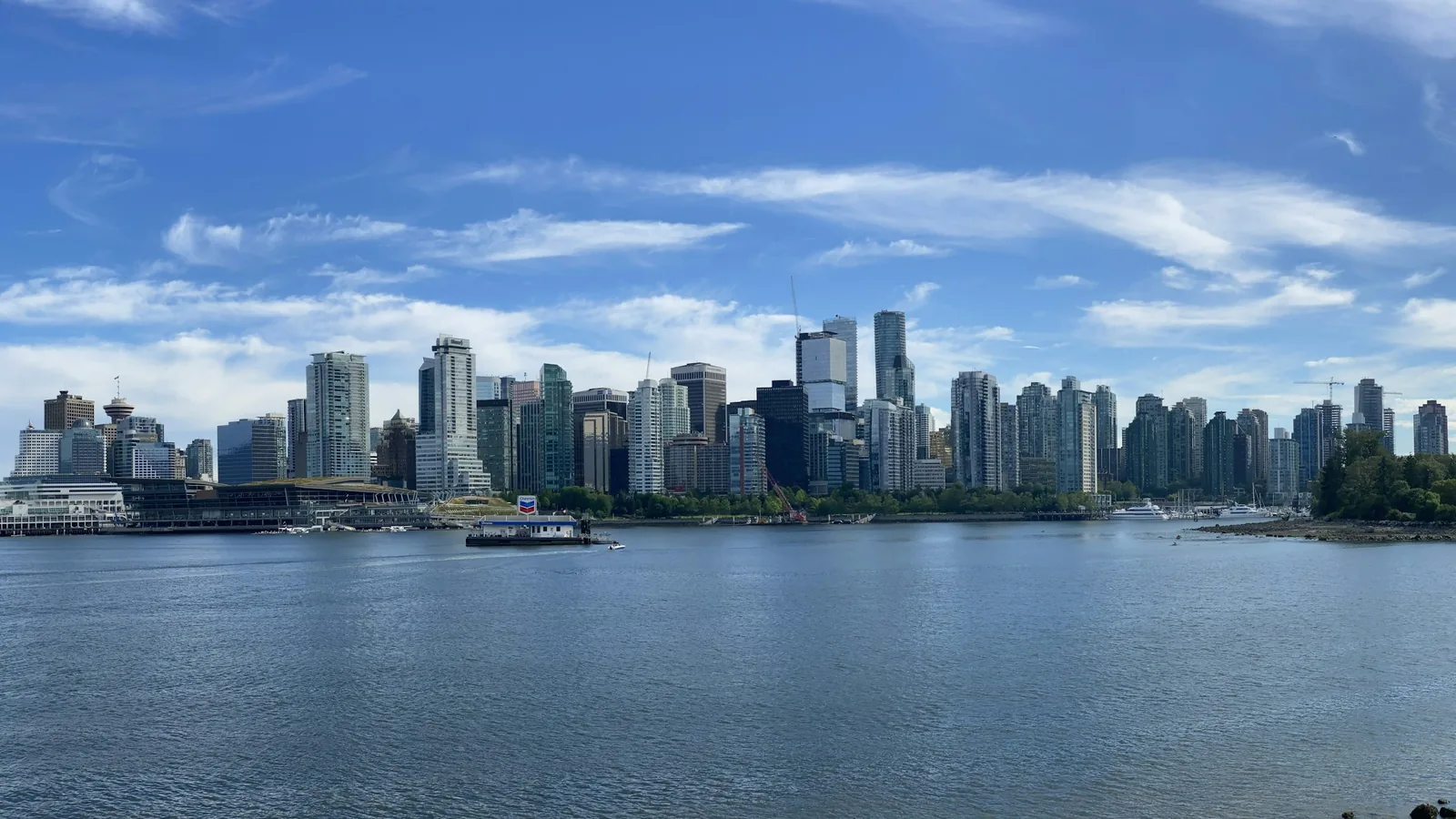
Photo by Joshua Webb on Unsplash
May 2026 data shows a 22% price gap between comparable properties just 10 kilometres apart in Metro Vancouver—and it's not just about square footage. The difference comes down to micro-market dynamics that savvy buyers are learning to decode. While South Surrey's Morgan Creek and Grandview Heights illustrate this perfectly in my home base, the same pattern is playing out across Burnaby, Coquitlam, and New Westminster with even more dramatic results.
The Neighbourhood Premium Explained
In Metro Vancouver real estate, proximity to amenities, transit infrastructure, and school catchments creates distinct pricing tiers within the same municipality. Morgan Creek's established luxury homes near the golf course command premiums for mature landscaping and proximity to Southridge School, while Grandview Heights attracts buyers prioritizing newer construction and walkability to commercial hubs. Both benefit from Highway 99 access and the future Langley SkyTrain extension, yet serve completely different buyer profiles.
This dynamic mirrors what we're seeing in Burnaby's Brentwood versus Lougheed areas—one commands luxury condo premiums due to SkyTrain access and Simon Fraser University proximity, while the other offers better entry points for families seeking townhome developments. In the Fraser Valley market, Port Coquitlam's downtown core versus Oxford Connector properties show similar spreads, despite sharing the same postal code prefix.
Transit Infrastructure Is Reshaping the Lower Mainland
The SkyTrain's reach into Surrey and beyond has created a new tier of "pre-emptive appreciation" zones. Neighbourhoods within 1.5 kilometres of announced stations are seeing bidding activity return despite broader market softness. In Coquitlam's Burquitlam area, properties near the Millennium Line extension sold 18% faster than comparable homes in Port Coquitlam's Citadel Heights last quarter—a gap that didn't exist three years ago.
New Westminster's Sapperton neighbourhood offers a case study: proximity to both SkyTrain and the Patullo Bridge replacement has transformed it from a value play into a competitive market segment. Buyers who dismissed it in 2023 are now priced out entirely, while those who recognized the infrastructure convergence have seen 15-18% equity growth.
Vancouver's Established Markets Set the Benchmark
While suburban markets debate the value of newness versus maturity, Vancouver's East Side neighbourhoods demonstrate that both can coexist at premium pricing. Hastings-Sunrise's character homes and commercial corridor redevelopments attract different buyers at similar price points—the key is clarity about what each lifestyle actually costs.
The lesson for Metro Vancouver buyers: don't assume newer automatically means better value. In the BC housing market's current phase, established neighbourhoods with proven rental demand and school reputations often outperform flashy new developments when interest rates fluctuate.
What This Means for Your Strategy
If you're comparing neighbourhoods across the Lower Mainland, dig beyond list prices. Ask about:
- Transit timelines: Announced stations matter more than proposed ones
- School catchments: Check Fraser Institute rankings and recent boundary changes
- Rental regulations: Some strata councils restrict rentals, killing future flexibility
- Commercial development: New retail hubs increase walkability scores and resale appeal
- Lot size trends: Smaller lots in newer developments limit future renovation options
The 22% price gap isn't arbitrary—it reflects measurable lifestyle differences. Whether you're evaluating Burnaby versus Coquitlam, or New Westminster versus Port Coquitlam, understanding what drives these premiums helps you pay for what actually matters to your situation, not just what's trending on social media.

Have Questions About This Topic?
Get personalized advice from Rose Marie about your real estate goals.
Book a Free Consultation