Understanding How BC's New 4-Plex Rule Impacts Your Buy/Sell Strategy
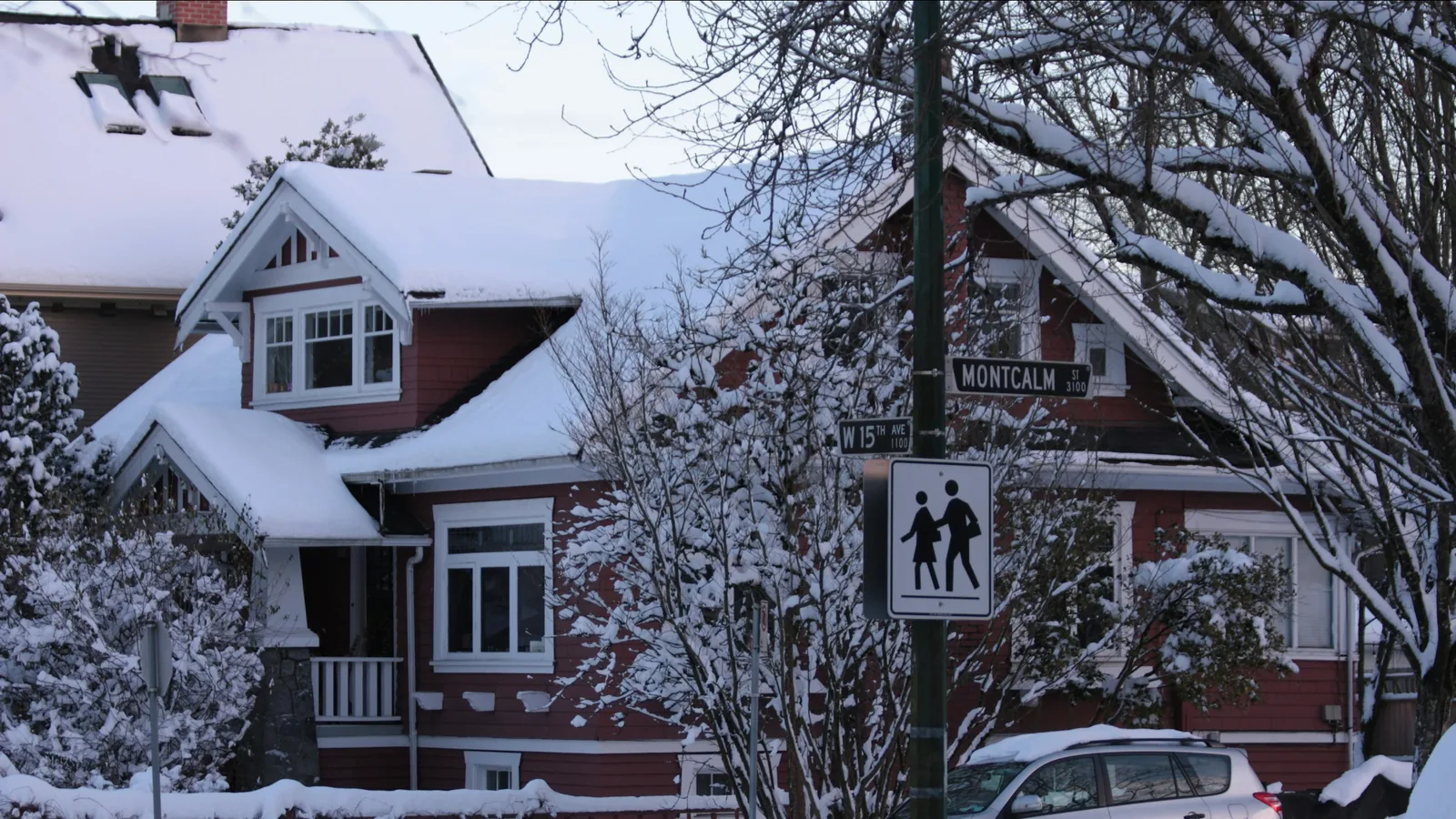
Photo by Veronica Dudarev on Unsplash
BC's small-scale multi-unit housing legislation, often called the four-plex rule, requires municipalities to allow three or four homes on most lots that used to be zoned for one house, and up to six near frequent transit. Surrey and White Rock have both rewritten their zoning to comply. Buyers ask me whether this makes every detached lot a development site. Sellers ask whether they should price for four units. The answer to both is: sometimes, and far less often than the headlines suggest. Here is how I think about it on the Peninsula.
What the rules actually permit
On a typical single-family lot in a community over 5,000 people, the municipality must allow at least three units, and at least four on lots over 280 square metres. Near frequent bus service the minimum rises to six. "Allow" is the key word. The zoning permits it. The lot still has to physically fit the units with required setbacks, parking and tree protection; the City's servicing, water, sewer and storm, has to have capacity; and the design still has to meet the building code and the City's design guidelines. On a 33-foot lot with a protected cedar and a steep slope, four units is theory.
Which lots actually gain value
- Large, flat, rectangular lots on streets with newer services, especially corner lots with two frontages. These are the ones a small builder can actually develop.
- Lots within walking distance of frequent transit, where six units may be allowed. On the Peninsula that is mainly along King George Boulevard and 152 Street.
- Older homes near the end of their life on those lots, where the house adds little and the land is the value.
Which do not: hillside lots in White Rock with view easements and retaining walls, Ocean Park and Crescent Beach lots with protected trees and slope concerns, anything in a strata, and well-kept newer homes where the house is worth more than what four units would net after construction costs. For most of South Surrey's family streets, the rule changes what is theoretically possible and does not change what will be built this decade.
If you are selling
Do not price a family home for development value unless a builder would actually pay it. I run two numbers for sellers with a candidate lot: what a family would pay for the house, and what a builder would pay for the land after backing out construction cost, financing, GST and profit. On the Peninsula today, the family number is higher on the large majority of lots. Where the builder number wins, we market to builders directly, with the survey, the tree assessment and the servicing information already in hand, because they will not pay for potential they have to research themselves.
If you are buying
Do not pay for potential you cannot use. If you are buying a home to live in, the four-plex rule matters to you in exactly one way: what might be built next door. Check the lots beside and behind you. A big flat corner lot with a tired 1970s house on it is a candidate, and in five years it may be four homes. That is not a reason to walk away, but it is a reason to know. If you are buying as a small-scale developer, get the survey, the tree inventory and a conversation with the City's planning department before subject removal, not after. The lots that pencil are rarer than the listings claim.
The one place I expect real change
Coach houses and suites. The same legislation makes it much easier to add a garden suite or a legal basement suite to an existing home. For multigenerational families and for owners who want rental income to carry a mortgage, that is the practical use of these rules on the Peninsula. One extra unit on a lot you already own is achievable. Four new units on a lot you have to buy at family prices usually is not.
The short version
- Three to four units are permitted on most lots, six near frequent transit. Permitted is not the same as buildable.
- Large, flat, well-serviced lots near transit gain. Hillside, treed, strata and newer-home lots mostly do not.
- Sellers: price to the higher of the family value and the real builder value, and market accordingly.
- Buyers: check what could be built next door; pay for potential only if you will use it.
- The realistic opportunity for most owners is a suite or coach house, not a four-plex.
If you own a lot you think might qualify, send me the address. I will tell you honestly whether a builder would pay more than a family, which is the only question that matters.
The question readers ask most
What should a realtor do to sell my home, and what does it cost?
Expect a pricing analysis built from recent comparable sales, a launch plan with professional photography and staging advice, marketing beyond the MLS®, and negotiation of every offer and subject. Commission is negotiable and set out in the listing agreement before anything goes live. I hold 66 five-star Google reviews and am licensed for both residential and commercial real estate. See selling services and the commission guide.
Have a question about this?
Send me a note or call. I will give you a straight answer, whether or not you are ready to buy or sell.
Book a Free Consultation