The Rise of Laneway Homes and Garden Suites in BC
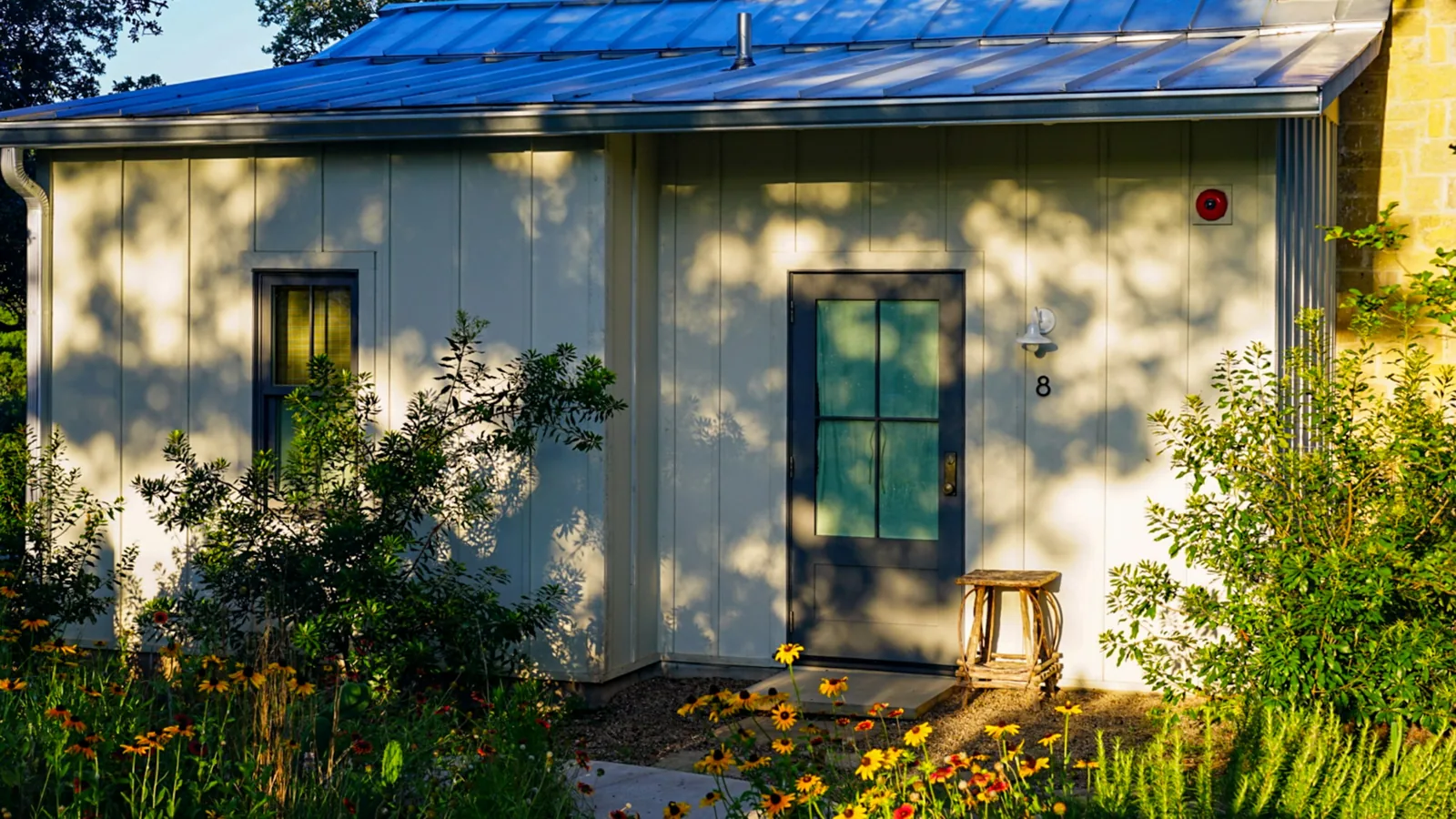
Photo by Megan Bucknall on Unsplash
A coach house, garden suite or laneway home is a second, detached dwelling on a single-family lot. Vancouver has had laneway houses for years; the rest of the region mostly did not until BC's small-scale multi-unit housing legislation required municipalities to allow more homes on single-family lots. Now Surrey and White Rock both permit them on many lots, and I get asked about them by multigenerational families, by owners who want rental income, and by buyers deciding what a big lot is worth. Here is the practical picture.
What the rules allow
Under the provincial legislation, most single-family lots in Surrey and White Rock can now have three or four units, and a detached accessory dwelling is one of the forms both cities permit. The municipality still sets the size limit, height, setbacks from the property lines and the main house, parking requirements and tree protection rules, and each lot has to be serviced for the extra unit. In practice the lots that work are larger, with rear or side yard space clear of protected trees and with access for construction. A standard 60 by 120 foot South Surrey lot with a detached garage at the back is often a candidate. A 33-foot hillside lot in White Rock usually is not.
What one costs
Construction costs in the Lower Mainland are high and vary with site conditions, so I will not quote a single figure, but a finished one or two bedroom coach house is a mid six-figure project once design, permits, servicing connections, site work and the building itself are counted. Servicing is the surprise: bringing water, sewer and electrical to the back of the lot, and sometimes upgrading the main connection, can be a large share of the total. Get a design-build firm that has done them in your municipality to quote before you commit, and ask the City about development cost charges, which have risen.
Financing
Most owners finance a coach house by refinancing or taking a home equity line on the main property, because construction loans for small projects are hard to get. Some lenders will count the expected rent toward qualification once there is a signed lease or an appraisal with a rental estimate. Government programs for secondary suite construction have come and gone and changed terms; check the current CMHC and provincial offerings before you count on one.
The rental math
A new two-bedroom coach house in South Surrey rents at the top of the local market, because tenants value a detached home with its own entrance and yard. Against a mid six-figure cost, the gross yield is modest on its own. What makes it work is that the land is already owned, the rent offsets the mortgage on the whole property, and the unit adds to the resale value of the lot. For multigenerational families the math is different again: a parent's suite that would otherwise be a condo purchase or a care facility fee.
How it changes what a lot is worth
Buyers now pay more for lots where a coach house is clearly feasible: large, flat, with rear access and no protected trees in the way. They do not pay more for the theoretical right on a lot where it cannot physically be built. If you own a candidate lot and are thinking of selling, a feasibility letter from a designer and a survey showing the buildable area are worth having, because they let a buyer see the potential without taking your word for it.
Before you start
- Confirm the zoning and the current coach house regulations with the City for your specific lot.
- Check the title for building schemes or covenants that may restrict additional buildings, common in Morgan Creek and some newer subdivisions.
- Get a tree survey. Surrey's bylaw protects mature trees and the arborist's report decides the footprint.
- Ask the City about servicing capacity and development cost charges.
- Talk to an accountant about the rental income and the principal residence exemption.
The short version
- Coach houses are now permitted on many Surrey and White Rock lots, subject to size, setbacks, parking, trees and servicing.
- A finished unit is a mid six-figure project; servicing is the surprise cost.
- Financing usually comes from the main property's equity.
- The value add is real on feasible lots and nil on the rest. Feasibility, not zoning, is what buyers pay for.
If you own a lot and want to know whether a coach house is realistic, send me the address and I will check the zoning and the tree situation and point you to the builders who have done them nearby.
Free Tools for Your Home Search
The question readers ask most
How do I choose the right realtor in BC?
Decide what you need, shortlist agents who are active in your target neighbourhood, verify each one on the BC Financial Services Authority register, read reviews for specifics rather than stars, interview two or three with the same questions, and read the representation agreement before you sign. I hold 66 five-star Google reviews and am licensed for both residential and commercial real estate. Read the step-by-step guide.

Have a question about this?
Send me a note or call. I will give you a straight answer, whether or not you are ready to buy or sell.
Book a Free Consultation