How to Build Wealth Through Real Estate in BC
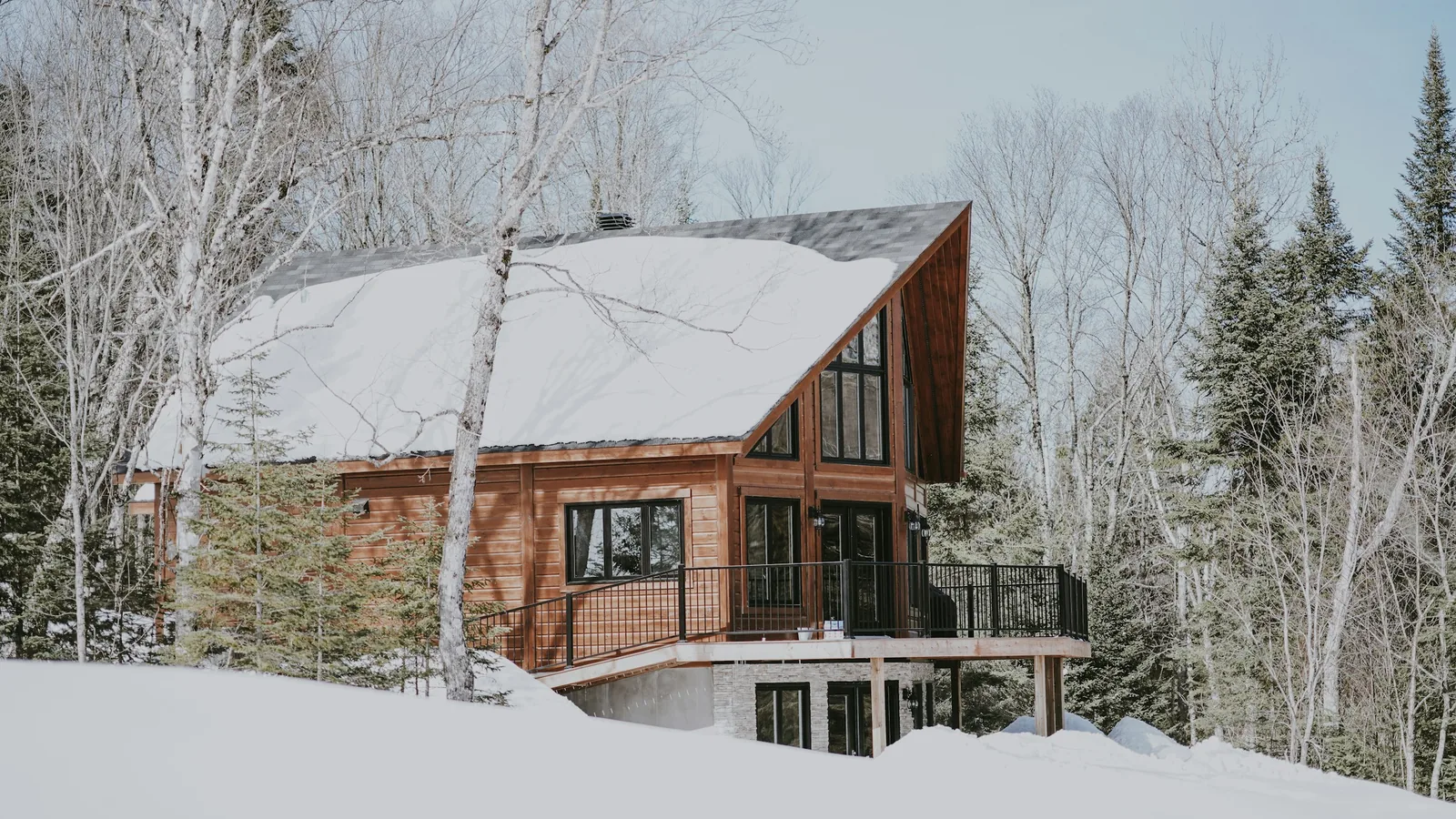
Photo by Annie Spratt on Unsplash
Most of the wealth I have watched clients build through real estate did not come from clever investing. It came from buying a home they could carry, in a neighbourhood with durable demand, paying it down, and staying. The spectacular stories, presale flips and leveraged portfolios, mostly belong to a decade that is over, and several of them have been taxed out of existence in BC. Here is the slower version, which is the one that still works, and the sequence I see succeed on the Peninsula.
Step one: the principal residence, bought well
The principal residence exemption makes the gain on your own home tax free, which no other investment available to an ordinary household can match. Combined with leverage, a mortgage, and forced savings, the principal portion of every payment, it is the foundation. Buying well means three things: a home you can carry at today's rate with a cushion, a neighbourhood where supply is constrained and demand is durable, and a price based on recent comparable sales rather than hope. In White Rock and South Surrey, the established family streets in the strong catchments are where that combination lives. Almost nothing new is built there, and families keep wanting the same thing.
Step two: pay the principal down faster than required
Over a 25-year amortisation, interest can exceed half the price of the house. Every extra dollar paid against principal in the early years saves several in interest and shortens the loan. Most mortgages allow prepayments of 10 to 20 percent of the original balance a year without penalty. Accelerated biweekly payments, rounding the payment up, putting a bonus or a tax refund against the balance: these are boring and they are the single biggest lever most owners never pull. Owning a $1,200,000 home outright at 55 is a very different retirement from owing $400,000 on it.
Step three: add income to the home you already own
A legal suite or a coach house turns the family home into a part-time investment property without a second purchase, a second transfer tax or a second set of closing costs. The rent offsets the mortgage, which accelerates step two, and the principal residence exemption generally survives if the rental is ancillary and you do not claim depreciation. BC's small-scale housing rules have made both suites and coach houses easier to add. For most households on the Peninsula, this is the highest-return move available and it carries far less risk than a second property.
Step four: trade up inside a strong market, carefully
Families outgrow homes. The wealth-building version of moving is to trade up within a neighbourhood whose values move together, so that the gain on the sale funds the purchase, and to do it rarely, because every move costs transfer tax, commission and legal fees. Selling and buying in the same market also hedges you: a soft year hurts the sale and helps the purchase. The version that destroys wealth is moving every three years, or selling in a strong neighbourhood to buy in a speculative one because it looks cheaper.
Step five, if you get there: a second property that carries itself
Once the first home is well on its way to being paid off, a rental property can make sense if it carries itself at today's rents and rates, with reserves, and is held for ten years or more. Buy where supply is limited and tenants are stable. Avoid buying where two hundred identical units are completing across the street. If it only works with appreciation, it does not work.
What has been taxed away
- Flipping. BC's home flipping tax takes 20 percent of the profit on a sale within a year of purchase, tapering to zero at two years, on top of federal rules that treat quick flips as business income.
- Short-term rentals. Limited to your principal residence plus one unit in most BC communities, including Surrey and White Rock.
- Vacant holdings. The speculation and vacancy tax applies to empty homes in designated areas.
- Presale assignment. Restricted by developers and taxed as income with GST on top.
These are not loopholes waiting to be found. They are closed, and the slow strategy is what remains.
The short version
- Buy a principal residence you can carry, in a supply-constrained neighbourhood, at a price based on recent sales.
- Pay the principal down faster than required. It is the biggest lever.
- Add a suite or coach house before you add a second property.
- Trade up rarely and within the same market.
- A second property only if it carries itself and you can hold it a decade.
If you want to talk through where you are in this sequence and what the next sensible step is on the Peninsula, that is a conversation I enjoy. It usually ends with a less exciting plan than people expected, and a better one.
Free Tools for Your Home Search
The question readers ask most
Do I need a realtor to buy an investment property in BC?
You are not legally required to use one, but on an income property the agent's value is in the numbers: rent-roll review, expense analysis, cap-rate comparison against recent sales and strata or tenancy due diligence. For commercial or multi-family property make sure the agent holds a commercial licence, which most residential agents do not. I hold 66 five-star Google reviews and am licensed for both residential and commercial real estate. Commercial and investment services.

Have a question about this?
Send me a note or call. I will give you a straight answer, whether or not you are ready to buy or sell.
Book a Free Consultation