Foreign Buyer Ban in Canada: What It Means for BC Real Estate
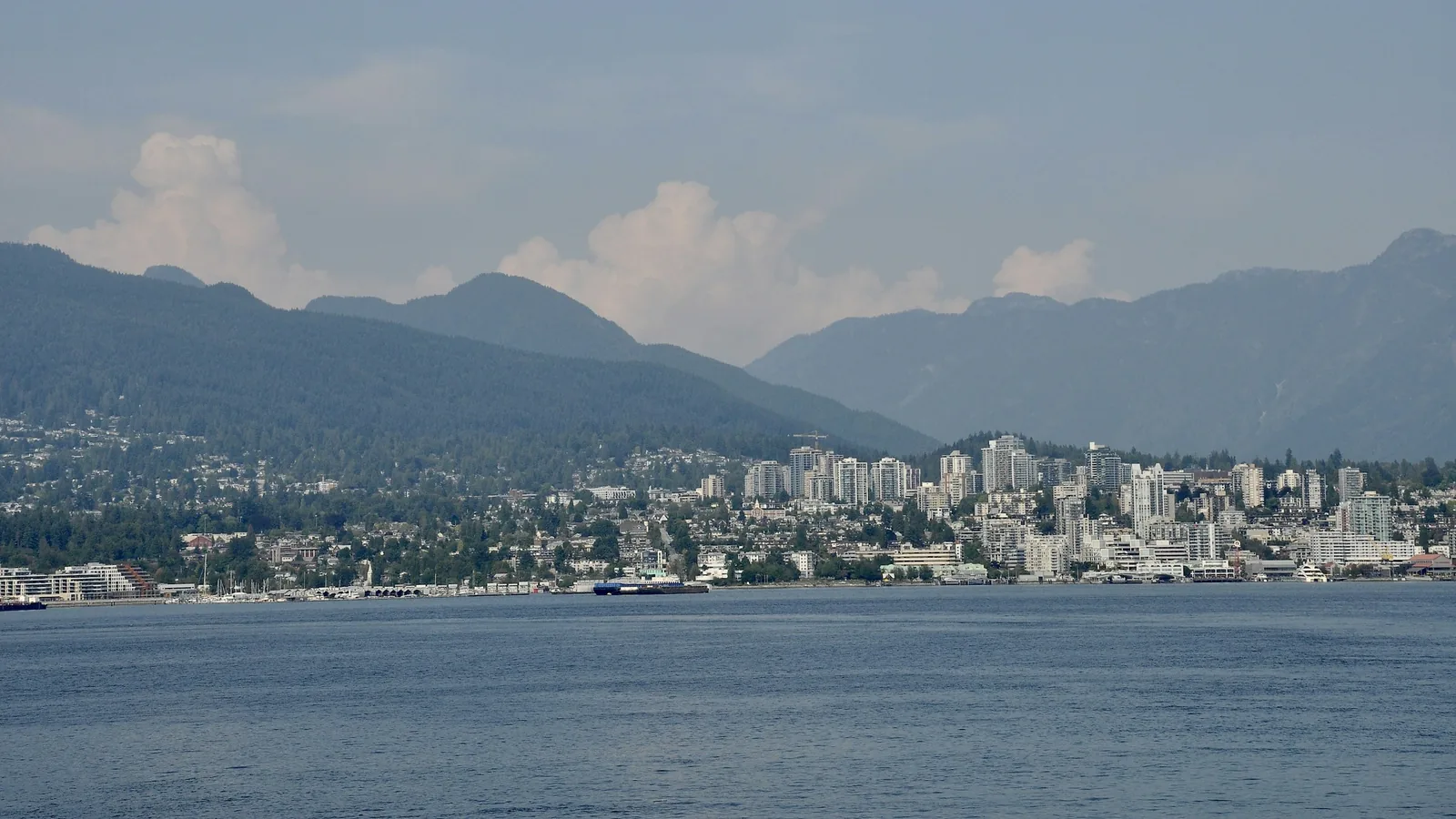
Photo by Dan Dennis on Unsplash
Canada has prohibited most non-Canadians from buying residential property since the start of 2023, and the prohibition has been extended to the start of 2027. I get asked about it from two directions: by local sellers who wonder whether it has removed buyers from the market, and by newcomers and non-residents who want to know whether they can buy at all. Here is what the rule actually says, how it stacks with the two BC taxes that already applied, and what I have seen it do to the market on the Peninsula.
What the federal prohibition does
The Prohibition on the Purchase of Residential Property by Non-Canadians Act bars non-Canadians, meaning people who are not citizens, permanent residents or registered under the Indian Act, and corporations controlled by them, from buying residential property in Canada's larger urban areas. Residential property means homes with up to three units and the land they sit on. The prohibition applies in census metropolitan areas and census agglomerations, which covers all of Metro Vancouver including White Rock and South Surrey. Recreational and most rural property is outside it. Violations carry fines and a possible court-ordered sale.
Who is exempt
- Permanent residents, who are treated as Canadians for this purpose.
- Temporary residents who hold a work permit and meet conditions on work history and remaining permit time, buying one property to live in.
- International students who meet strict conditions on time in Canada, tax filing and a price cap.
- Refugees and protected persons, and certain diplomats.
- A non-Canadian buying with a Canadian spouse or partner.
- Purchases of land for development, under rules amended in 2023.
The conditions are specific and have been amended more than once. Anyone who is not a citizen or permanent resident needs a lawyer to confirm eligibility before writing an offer, and the standard BC contract now includes a representation about it.
How it stacks with BC's rules
BC already had two measures aimed at non-resident buyers before the federal ban. The additional property transfer tax of 20 percent of the purchase price for foreign nationals and foreign-controlled corporations in Metro Vancouver, the Fraser Valley and several other regions. And the speculation and vacancy tax, an annual tax in designated areas on homes left empty or owned by certain non-residents, at a higher rate for foreign owners. A non-Canadian who falls within a federal exemption and buys here still pays the 20 percent transfer tax unless they also qualify for a provincial exemption, and still faces the speculation tax if the home is not rented or lived in. The three rules together make a non-resident purchase in White Rock or South Surrey expensive and legally complicated, which is the point.
What it has meant on the Peninsula
Less than the headlines suggested. Non-resident buyers were a small share of purchases here before 2023, and most of that share had already been priced out by the 20 percent transfer tax introduced in 2016 and the speculation tax in 2018. The buyers I work with in White Rock and South Surrey are overwhelmingly local: families moving from elsewhere in Metro Vancouver, downsizers from the same places, and newcomers who have become permanent residents. The ban removed a thin slice of demand at the top end, and the softening we have seen since 2022 is explained far more by interest rates and inventory than by any policy on foreign buyers.
Where I have seen a real effect is in paperwork and timing. Every buyer now has to confirm eligibility, lawyers ask more questions, and the occasional purchase by a newcomer on a work permit takes longer while the exemption is documented. For sellers, that is all it has meant.
If you are a newcomer wanting to buy
Confirm your status first. Permanent residents can buy freely. Work permit holders should check the current conditions with a lawyer before looking, because they are specific about permit validity and work history. Budget for the 20 percent additional transfer tax unless you qualify for a provincial exemption, which is separate from the federal one. And plan to live in the home or rent it long-term to stay clear of the speculation tax. I have helped newcomers through all of this; it is doable, and it is much easier when the legal questions are answered before the house hunting starts.
The short version
- Non-Canadians are barred from buying homes in urban Canada until at least 2027, with exemptions for permanent residents, some work permit holders, some students and spouses of Canadians.
- BC's 20 percent additional transfer tax and the speculation tax still apply on top.
- The effect on the Peninsula's prices has been small. Rates and inventory explain the market, not foreign buyers.
- Newcomers: confirm eligibility and tax exposure with a lawyer before you look.
If you are a newcomer or a non-resident wondering whether and how you can buy here, send me your situation and I will point you to a lawyer who handles these questions every week, then we can talk about houses.
Free Tools for Your Home Search
The question readers ask most
Does a realtor actually get you a better price when buying?
In a buyer's market, a local agent earns their fee on three things: knowing which listings are overpriced relative to recent peninsula sales, structuring subjects and dates the seller will accept, and knowing when to walk away. That is only possible for someone who works the neighbourhood every week. I hold 66 five-star Google reviews and am licensed for both residential and commercial real estate. How to find a realtor who can negotiate for you.

Have a question about this?
Send me a note or call. I will give you a straight answer, whether or not you are ready to buy or sell.
Book a Free Consultation